

Distance learning, online learning, remote learning, and mobile learning are extremely popular today. Today’s online learners, however, are extremely e-savvy. Therefore, when it comes to picking an online course, their expectations on value are high. What online learners are looking for isn’t just high-quality content, but also a fulfilling learning experience. And that experience starts with the sign-up process and continues even beyond the time they sent in their final assessments and feedback forms. The Value Propositions Understanding how to build engaging eLearning courses is vital to your success. In short, remote learners are looking for courses to help them understand, retain, and use the knowledge they learn. But they also want to enjoy the time they spend on the learning platform. For IDs, delivering such value lies in producing courses that meet learner expectations. As an ID, the interactions you deliver through your eLearning courses must provide learners with the … [Read more...] about The Art And Science Of Building Engaging And Result-Oriented eLearning Courses
instructional design
4 eLearning Course Responsive Design Rules To Live By

The days of learning only using a wide-format desktop screen are long gone. In fact, with the proliferation of devices with multiple screen sizes, it’s hard to know exactly which screens a course designer should use. So, what should Instructional Designers do? The answer is: Use responsive design techniques for the best results! The eLearning Challenge At Hand Responsive design addresses a real-life challenge that eLearning course designers and developers face. With portable devices and smartphones today, online learners can start a course on their 24-inch screen desktop at home, continue it on a 12-inch screen tablet during lunch, and finish a module on a 6-inch smartphone during their evening commute. Then, as they relax at home, they can review and revise key learning points on their 60-inch Smart TV. And if that’s not enough, they could even take a pop quiz using their 2-inch smartwatch screen! The challenge with these scenarios is that conventional course design principles just … [Read more...] about 4 eLearning Course Responsive Design Rules To Live By
How to Increase Learner Retention by Contextualizing Your Training

Adult learners typically struggle with understanding new concepts and ideas when such information lacks perspective – their unique perception. That’s because learning theory, be they Behaviorist, Cognitive, Constructivist or Motivational, underscores that, putting information into context, and giving perspective to knowledge produces better learning outcomes. Without adequate contextualization, most learners tend to disassociate from what they are learning. And when that happens, they may disengage from learning, leaving trainers an uphill task of re-engagement. UNDERSTANDING CONTEXTUALIZATION Contextualization is all about framing learning concepts in a way that’s familiar to the individual learner. To bring contextual value to your learning, it’s important to understand where your learner is coming from – not just his/her geographic location (we’ll touch upon that in a moment), but also their previous experiences, the terminology they’re familiar with and their expected application … [Read more...] about How to Increase Learner Retention by Contextualizing Your Training
5 Easy Ways to Curate Your ELearning Content: Understanding what content curation is, and why it’s needed
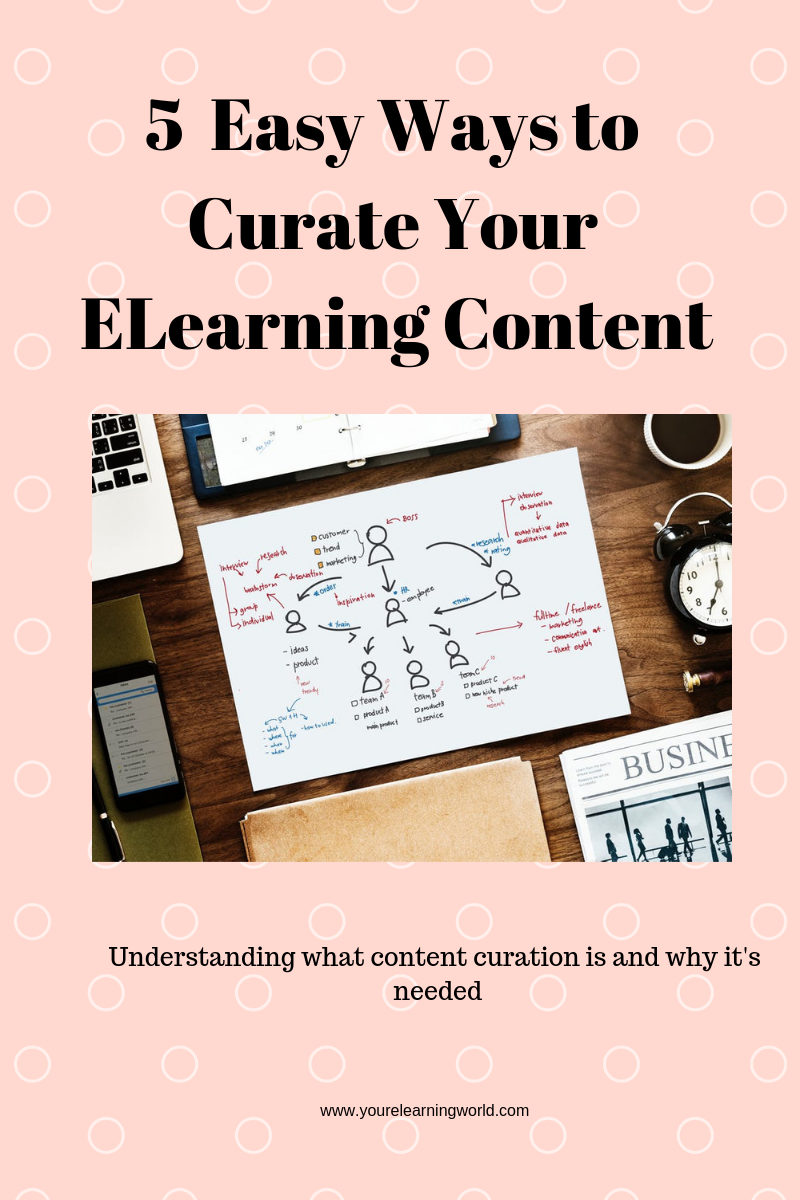
Everyday, millions of pieces of content get created online. So, if you were looking to “learn” more about a particular subject, is going through all those millions of bits of information really the best way to do so? That’s exactly the challenge that eLearning course designers and developers face. And more often than not, content curation is the best answer to this challenge. Assimilating eLearning content So, in the context of eLearning, what does it take to offer great content to your learners, and why should eLearners not go straight to the source – content creators – instead of reaching out for your curated content? Before we highlight why content curation is an essential part of eLearning, consider these facts about content creation first: According to Smithsonian Mag (a site owned/operated in partnership with the renowned Smithsonian Institution), there are over 1.8 million articles and research papers produced every year The same source cites that most of that … [Read more...] about 5 Easy Ways to Curate Your ELearning Content: Understanding what content curation is, and why it’s needed
Converting school curriculum into eLearning: Considerations for designing eLearning for kids
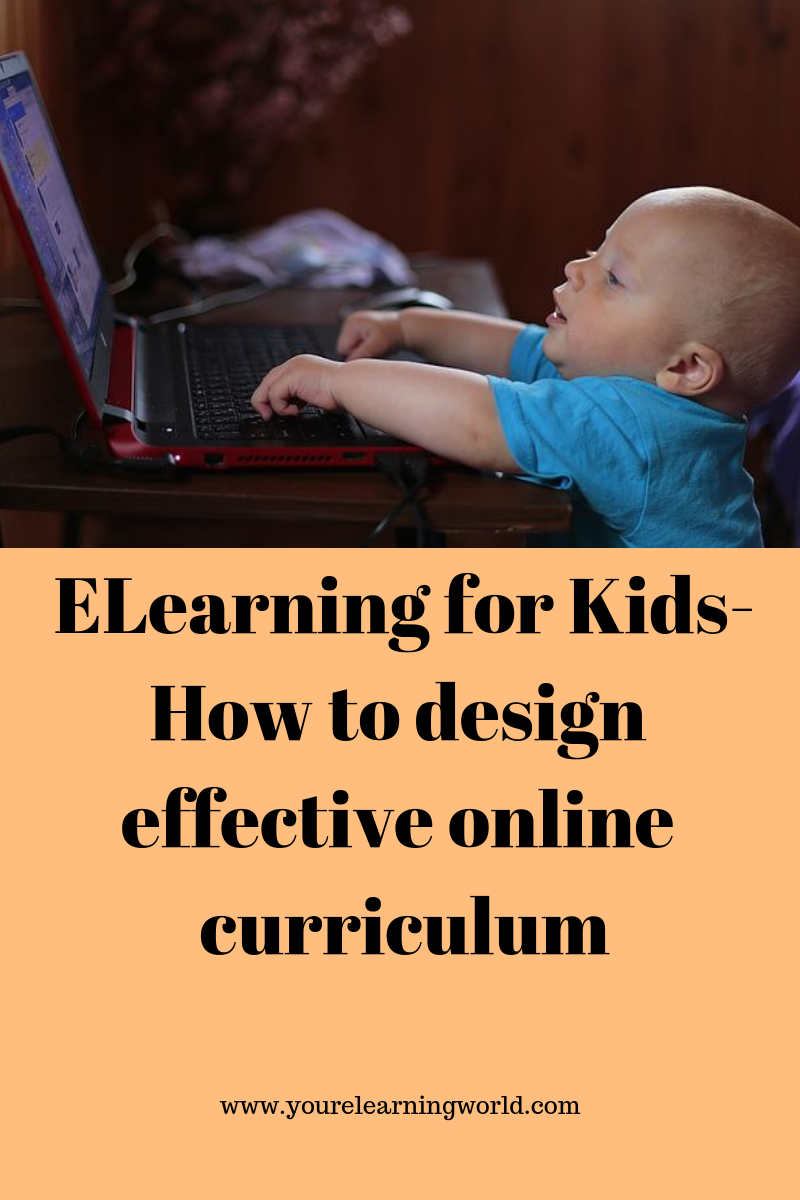
When school administrators and instructors first embark upon a project to embrace eLearning, the immediate temptation is to “scan everything and put it online!”. While “pure digitization” might be a quick way to introduce online learning to kids, it’s not always the best way to engage kids through eLearning. Key design and conversion considerations Unlocking the power of eLearning for kids is not just a matter of digitizing content from the existing curriculum. Kids today are extremely tech-savvy, and when they stare at an electronic version of their textbooks, it’s likely to spur immediate disengagement. ELearning designers must therefore go way beyond scanning and uploading paper content to pique kids' interest. Here are five design considerations that should help you decide whether you should design from scratch, or convert or port school curricula into eLearning courses: Enhance your content ELearning provides you an opportunity to go above and beyond what existing … [Read more...] about Converting school curriculum into eLearning: Considerations for designing eLearning for kids
Eye Appeal in eLearning Course Design: 3 Effective Ways to Use Color Theory, Typography, and Images

The look and feel of your eLearning materials has an impact on training effectiveness. The combination of colors, font types, and images affect the way your learners go through your content and eventually the lessons. Your goal is to make your content more exciting, easier to understand, and more interesting to read. A good combination of the elements mentioned above can help you achieve your training goals. Conversely, a bad combination could make your learners bored, disinterested, and perhaps even sleepy. Needless to say, this will result in bad performance and ineffective learning. Here are some important considerations when using color theory, typography, and images in your eLearning course design: 1. Keep it clean and simple. This does not mean that your design should be stark and boring. You can use bold colors like reds and oranges, and your design will still be clean and simple. Avoid the clutter and pay attention to readability and ease of … [Read more...] about Eye Appeal in eLearning Course Design: 3 Effective Ways to Use Color Theory, Typography, and Images