
In the evolving landscape of online education, the demand for effective eLearning solutions has never been greater. As an instructional designer with over 15 years of experience, I’ve had the privilege of authoring two books: Instructional Design for eLearning and eLearning Design on a Shoestring. While both books aim to enhance the quality of online learning, they serve distinct purposes and audiences. Here are the key differences between these two essential guides.
1. Target Audience
Instructional Design for eLearning is designed for instructional designers, educators, and professionals seeking to deepen their understanding of course creation. It is a comprehensive resource that covers instructional design principles and delves into the methodologies and best practices essential for developing effective online learning experiences. Whether you are a novice looking to grasp the basics or an experienced designer seeking to refine your skills, this book provides a wealth of knowledge.
In contrast, eLearning Design on a Shoestring caters to educators, trainers, and small business owners who need to create eLearning solutions but face budgetary or resource constraints. This book mainly benefits those working in resource-limited environments, such as schools, nonprofits, or startups. It emphasizes practical strategies and tools to create impactful eLearning experiences without the need for significant financial investment.
2. Content Focus
Instructional Design for eLearning offers an in-depth exploration of the instructional design process. It covers critical topics such as:
- Learning theories and their application in eLearning
- Needs assessment and learner analysis
- Curriculum design and development
- Evaluation and assessment strategies
The book guides instructional designers through developing high-quality online courses that engage learners and foster effective learning outcomes. It emphasizes a systematic approach to instructional design and provides readers with a robust framework.
On the other hand, eLearning Design on a Shoestring focuses on cost-effective solutions. It addresses the challenges faced by those with limited resources and offers:
- Budget-friendly tools and technologies
- Creative approaches to content creation
- Strategies for leveraging existing resources
- Tips for maximizing impact while minimizing costs
This book empowers readers to think outside the box and find innovative ways to deliver engaging eLearning experiences, even on a tight budget.
3. Practical Application
In Instructional Design for eLearning, readers will find many case studies and examples that illustrate the successful application of instructional design principles in various contexts. The book encourages reflective practice, guiding readers to critically analyze and evaluate their design decisions.
Conversely, eLearning Design on a Shoestring is filled with actionable tips, checklists, and resource lists that readers can immediately apply to their projects. It provides a toolkit for creating effective eLearning while navigating financial limitations, making it an invaluable resource for practitioners who need practical, hands-on advice.
Conclusion
Both Instructional Design for eLearning and eLearning Design on a Shoestring are vital resources for anyone involved in online education. They each offer unique insights and guidance tailored to different needs and contexts. Whether you want to deepen your understanding of instructional design or seek creative solutions to create quality eLearning on a budget, these books can provide the support you need.
By recognizing the distinct roles these resources play, you can choose the right one for your professional journey in the world of eLearning. Let’s continue to create engaging learning experiences that empower learners and help them achieve measurable results!
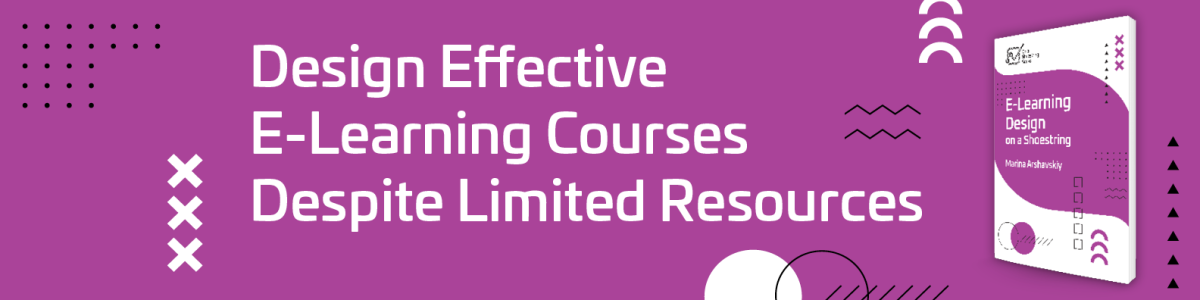
Have you decided which resource to get? Click the banner below to grab your copy!

Leave a Reply